



 October 10th, 2025
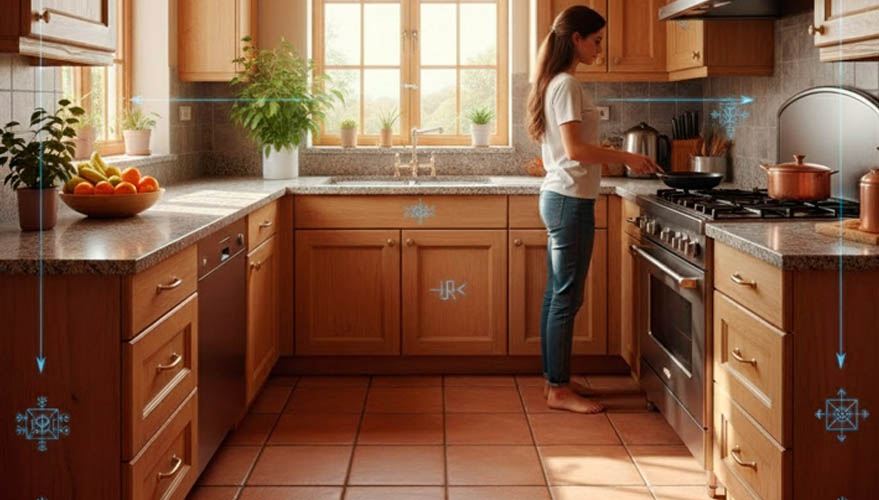
The kitchen is often called the heart of the home. It is the space where food is prepared, nourishment is created, and positive energy flows into the family. According to Vastu Shastra—the ancient Indian science of architecture and energy balance—the kitchen holds immense importance, as it directly influences the health, prosperity, and harmony of the household.
In this detailed guide, we will explore the significance of the kitchen in Vastu Shastra, ideal placements, directions for appliances, remedies for common Vastu defects, and tips to enhance positivity in your home through your kitchen.
Vastu Shastra emphasizes the five elements—Earth, Water, Fire, Air, and Space. The kitchen is closely linked to the fire element (Agni), which symbolizes energy, vitality, and transformation. When the kitchen is designed in alignment with Vastu principles, it can promote good health, abundance, and happiness.
A wrongly placed or poorly designed kitchen, however, may lead to health issues, financial instability, or conflicts in the home. Thus, correct placement and arrangement are crucial.
According to Vastu Shastra, the Southeast corner of the house is considered the most auspicious place for the kitchen. This is because Agni (the fire element) rules the southeast direction, and placing the kitchen here balances the energies of the home.
If constructing the kitchen in the southeast is not possible, the northwest direction is considered the second-best option. However, kitchens should never be placed in the northeast (associated with water and spirituality) or southwest (linked with stability and relationships), as these can cause imbalance in family life.
Water represents the Jal element, and in Vastu, water and fire must never clash.
Modern kitchens are full of electrical appliances. Their placements should also follow Vastu guidelines to maintain harmony.
Good ventilation is vital in the kitchen as it allows smoke and negative energy to exit, while sunlight and fresh air enter.
Colours play an important role in influencing mood and energy.
If the dining table is placed in the kitchen, it should be in the northwest or west side. Family members should ideally sit facing east or north while eating. This fosters harmony and healthy digestion.
Do’s:
Don’ts:
Not every home allows for perfect Vastu alignment, especially in apartments or pre-built houses. In such cases, remedies can help reduce negative effects.
The way a kitchen is designed and maintained has a direct impact on the health and relationships of the family. A well-placed, organized kitchen encourages healthy eating habits, reduces stress, and enhances financial prosperity. It also ensures that the cook prepares food with a calm and positive mindset, which directly transfers into the energy of the meals.
In contrast, a poorly designed kitchen may lead to frequent illnesses, financial difficulties, or even conflicts among family members. Thus, aligning the kitchen with Vastu principles is both practical and beneficial.
Today’s homes often feature modular kitchens, open kitchen layouts, and advanced gadgets. While modern designs prioritize style and functionality, they can still be harmonized with Vastu principles.
The kitchen, as per Vastu Shastra, is not just a functional space—it is a source of health, prosperity, and happiness. By carefully choosing its location, maintaining proper arrangement of fire and water, and ensuring cleanliness and positive energy, families can invite abundance into their lives.
Even in modern living spaces, simple Vastu remedies can bring balance and harmony to the kitchen. Ultimately, when food is cooked in a space filled with positive vibrations, it nourishes not only the body but also the soul.
Design your kitchen with Vastu in mind, and you will notice a powerful transformation in the overall energy of your home and family life.
Copyright © 2025 Anill Kummar. All Right Reserved.


